Vincent Panella
Vincent Panella grew up in Queens and lives in Marlboro, Vermont. Three of his published books are the memoir The Other Side, the novel Cutter’s Island, and a short story collection called Lost Hearts.
Sicilian Dreams, a novel of immigration set in 1907, was published by Bordighera Press in the fall of 2020.
Vincent is available for readings and online events relating to Sicilian Dreams and his other work. See his contact page for more information.

Books
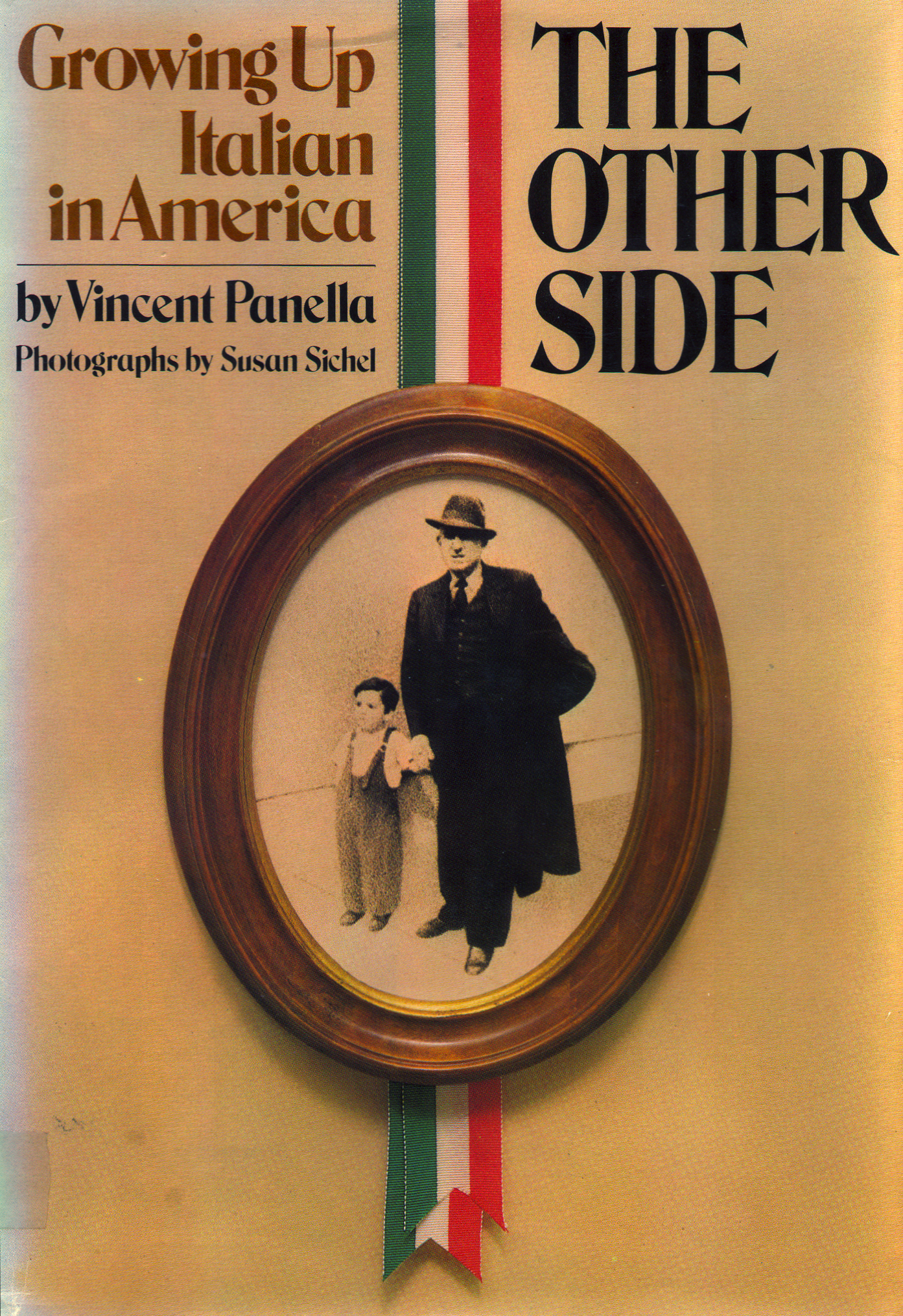
The Other Side: Growing up Italian in America
The Other Side is Vincent Panella’s personal journey, from rejection of his family to a realization that he cannot escape or deny his origins.
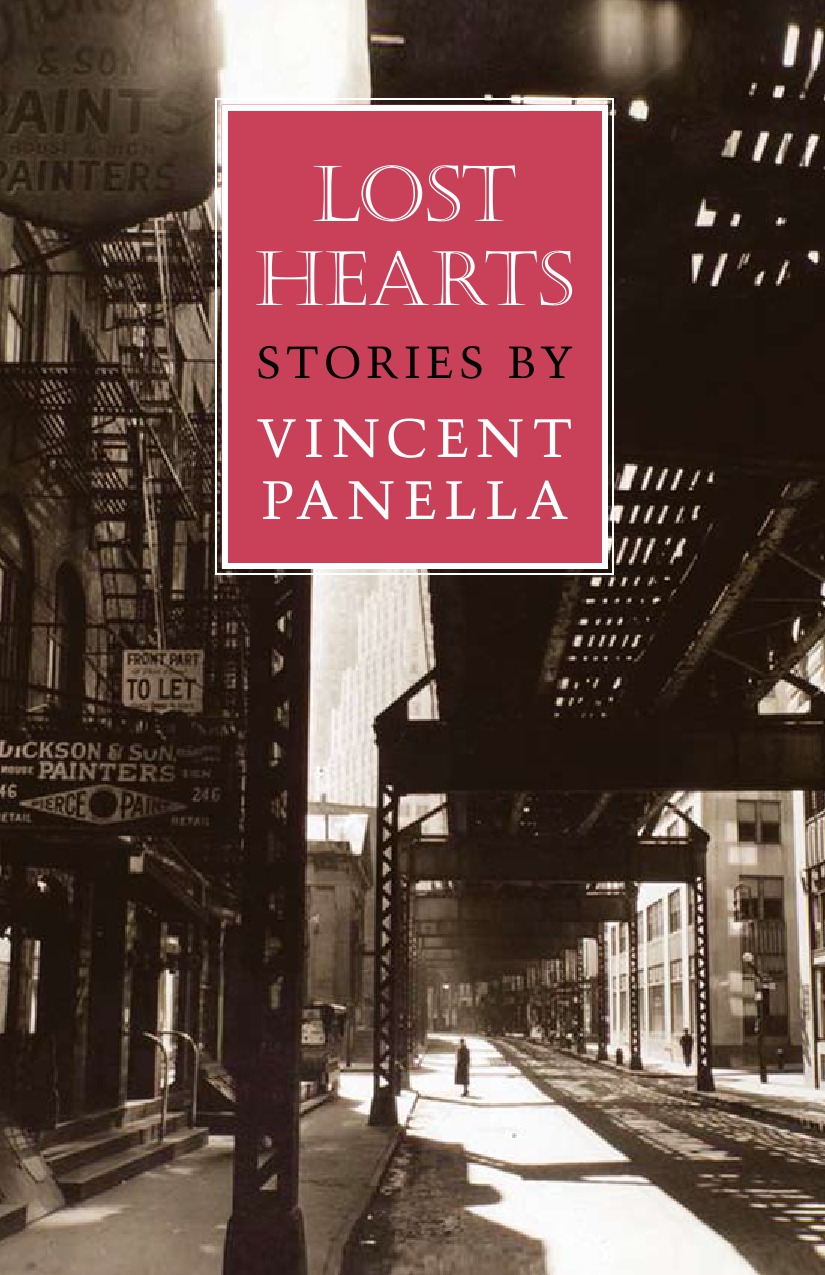
Lost Hearts
The twenty-three stories in Lost Hearts comprise a rich and candid account of growing up and growing old in Sicily and America.
Cutter’s Island
This is a revenge tale based on a little known event in the life of Julius Caesar. When he was twenty five, Caesar was captured by pirates and held on an island for forty days. Cutter’s Island is the story of Caesar’s liberation and revenge

Sicilian Dreams
Santo Regina immigrates after taking part in a failed political movement incited by Vito Cascio Ferro, a figure historians describe as rabble rouser and member of The Black Hand. Once in America Santo becomes entangled with Cascio Ferro and his arch rival, Detective Joseph Petrosino of New York’s famous Italian Squad.
Cutter's Island is a perfect flawless gem, without a false not anywhere. In prose as spare of Caesar's own, Mr. Panella makes surfaces reflect surfaces, with the sense of bottomless depths beneath. He packs more between the lines, and between chapters, than most writers deliver in books and books.
– Steven Pressfield, author of Gates of Fire
Praise for Cutter’s Island
Periodic
The First Glass

An immigration story dodges conventions
In his new novel, ‘Sicilian Dreams,’ Marlboro novelist Vincent Panella tells broad truths about his Italian American roots.“He couldn’t take his children back home where the March winters blew on his house, where his dear mother swaddled like a child huddled near the...
Sicilian Dreams, a novel by Vincent Panella, New York: Bordighera Press 2020. Reviewed by Nino Provenzano
Sicilian Dreams, a novel by Vincent Panella, New York: Bordighera Press 2020. Reviewed by Nino Provenzano Sicilia Parra Bi-annual Newsletter of Arba Sicula: An International Organization that Promotes the Language and Culture of Sicily Volume XXXII, No. 2, Fall 2020...

Contact Vincent
vincentpanella9@gmail.com